IMPLEMENTATION OF INQUIRY-BASED DIFFERENTIATED LEARNING IN IMPROVING STUDENTS' CRITICAL THINKING SKILLS
DOI:
https://doi.org/10.31000/prima.v9i1.12571Keywords:
differentiated learning, inquiry, critical thinking skillsAbstract
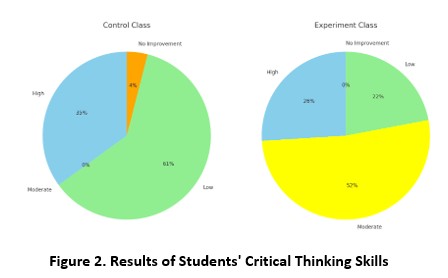
The development of critical thinking skills is one of the learning objectives applied in the Merdeka Curriculum through the Pancasila student profile. However, the implementation of the Merdeka Curriculum that meets the students' needs has not been fully developed in each school. Therefore, one effort that can be used to address this issue is by implementing differentiated learning based on inquiry learning. This research aims to determine the effect of implementing differentiated learning based on inquiry learning on improving students' critical thinking skills. The research design uses a mixed methods approach. The population in this study includes all 10th-grade students (Class X.E) at SMA Negeri 2 Woha. Using cluster random sampling, two classes were selected as the research sample, with each class consisting of 23 students, divided into an experimental group and a control group. Data collection techniques include test sheets and interviews. Quantitative data analysis was obtained from the test results using the N-Gain and Wilcoxon tests, while qualitative data analysis was obtained from the interview results. The findings show that in the experimental class, 26,2% of students achieved the highest improvement in critical thinking skills, whereas in the control class, 34,8% of students did not experience any improvement in critical thinking skills. In conclusion, there was an improvement in both critical thinking skills and mathematics learning outcomes as a result of implementing differentiated learning based on inquiry learning in the experimental class compared to the control class.References
Amini, Irawati, S., & Kasrina. (2020). Penerapan Model Pembelajaran Inkuiri Terstruktur untuk Meningkatkan Meningkatkan Hasil Belajar Peserta Didik Kelas Vii B MTsN 02 Kepahiang. Jurnal Pendidikan Dan Pembelajaran Biologi, 4(1), 55–64. https://doi.org/10.35580/ipaterpadu.v4i1.15500
Arfiana, A., & Wijaya, A. (2018). Problem Solving Skill of Students of Senior High Schools and Islamic High Schools in Tegal Regency in Solving the Problem of PISA Based on Polya’s Stage. Jurnal Riset Pendidikan Matematika, 5(2), 211–222. https://doi.org/10.21831/jrpm.v5i2.15783
Arif, D. S. F., Zaenuri, & Cahyono, A. N. (2020). Analisis Kemampuan Berpikir Kritis Matematis Pada Model Problem Based Learning ( PBL ) Berbantu Media Pembelajaran Interaktif dan Google Classroom. Prosiding Seminar Nasional Pascasarjana UNNES, 323–328.
Changwong, K., Sukkamart, A., & Sisan, B. (2018). Critical Thinking Skill Development: Analysis of a New Learning Management Model for Thai High schools. Journal of International Studies, 11(2), 37–48. https://doi.org/10.14254/2071-8330.2018/11-2/3
Evendi, H., Rosida, Y., & Zularfan, D. (2023). Pembelajaran Berdiferensiasi dalam Pembelajaran Matematika di Kurikulum Merdeka SMPN 4 Kragilan. Joong-Ki : Jurnal Pengabdian Masyarakat, 2(2), 181–186. https://doi.org/10.56799/joongki.v2i2.1454
Faiziyah, N., & Priyambodho, B. L. (2022). Analisis Kemampuan Berpikir Kritis Dalam Menyelesaikan Soal HOTS Ditinjau Dari Metakognisi Siswa. AKSIOMA: Jurnal Program Studi Pendidikan Matematika, 11(4), 2823–2835. https://doi.org/10.24127/ajpm.v11i4.5918
Hidayat, T. S., Istyowati, A., & Pratiwi, H. Y. (2023). Penerapan Inkuiri Terbimbing dan Pembelajaran Berdiferensiasi dalam Mengembangkan Kemampuan Berpikir Kritis. Jurnal Pembelajaran, Bimbingan, Dan Pengelolaan Pendidikan, 3(9), 787–802. https://doi.org/10.17977/um065v3i92023p787-802
HN, H. P., Syaiful, & Syamsurizal. (2024). Effect of Implementing Differentiated Learning Based on Learning Style on Abilities in Mathematical Problem-solving. Asian Journal of Education and Social Studies, 50(8), 181–190. https://doi.org/10.9734/ajess/2024/v50i81518
Jumiarti, D. N., Fakhruddin, M., & Marta, N. A. (2024). Implementasi Pembelajaran Diferensiasi pada Mata Pelajaran Sejarah: Studi Kasus di SMAN 23 Kabupaten Tangerang. Jurnal Ilmu Sejarah Dan Pendidikan, 8(1), 64–77.
Kamarulzaman, M. H., Kamarudin, M. F., Sharif, M. S. A. M., Esrati, M. Z., Saali, M. M. S. N., & Yusof, R. (2022). Impact of Differentiated Instruction on the Mathematical Thinking Processes of Gifted and Talented Students. Journal of Education and E-Learning Research, 9(4), 269–277. https://doi.org/10.20448/jeelr.v9i4.4253
Karim, N. (2015). Kemampuan Berpikir Kritis Siswa dalam Pembelajaran Matematika dengan Menggunakan Model JUCAMA di Sekolah Menengah Pertama. EDU-MAT: Jurnal Pendidikan Matematika, 3(1), 92–104. https://doi.org/10.20527/edumat.v3i1.634
Kartika, Y., & Rakhmawati, F. (2022). Peningkatan Kemampuan Berpikir Kritis Matematis Siswa Menggunakan Model Inquiry Learning. Jurnal Cendekia : Jurnal Pendidikan Matematika, 6(3), 2515–2525. https://doi.org/10.31004/cendekia.v6i3.1627
Laia, I. S. A., Sitorus, P., Surbakti, M., Simanullang, E. N., Tumanggor, R. M., & Silaban, B. (2022). Pengaruh Strategi Pembelajaran Berdiferensiasi Terhadap Hasil Belajar Peserta Didik SMA Negeri 1 Lahusa Indah. Jurnal Ilmiah Wahan Pendidikan, 8(20), 314–321.
Lestari, F., Alim, J. A., & Noviyanti, M. (2024). Implementation of Differentiated Learning to Enhance Elementary School Students’ Mathematical Critical and Creative Thinking Skills. International Journal of Elementary Education, 8(1), 178–187. https://doi.org/10.23887/ijee.v8i1.64295
Mahmudah, M., Mustika, R. D., & Anhar, M. S. (2023). Penerapan Model Problem-Based Learning Dengan Pembelajaran Berdiferensiasi Untuk Meningkatkan Kemampuan Berpikir Kritis Pada Pelajaran Ekonomi. Jurnal Dedikasi Pendidikan, 7(2), 565–580. https://doi.org/10.30601/dedikasi.v7i2.3987
Nahdhiah, U., & Suciptaningsih, O. A. (2024). Optimization of Kurikulum Merdeka through Differentiated Learning: Effectiveness and Implementation Strategy. Inovasi Kurikulum, 21(1), 349–360. https://doi.org/10.17509/jik.v21i1.65069
Nurwalidainismawati. (2022). Analisis Tipe Kesalahan Peserta Didik dalam Menyelesaikan Soal Matematika berdasarkan Teori Newman Di Sekolah Dasar. PENDIKDAS: Jurnal Pendidikan Dasar, 03(02), 7–16.
Patandung, Y. (2023). Adolescence Students’ Critical Thinking Skills in The Context of Christian Education. International Journal of Asian Education, 4(3), 150–156. https://doi.org/10.46966/ijae.v4i3.349
Pedaste, M., Mäeots, M., Siiman, L. A., de Jong, T., van Riesen, S. A. N., Kamp, E. T., Manoli, C. C., Zacharia, Z. C., & Tsourlidaki, E. (2015). Phases of Inquiry-Based Learning: Definitions and the Inquiry Cycle. Educational Research Review, 14, 47–61. https://doi.org/10.1016/j.edurev.2015.02.003
Purnomo, D., Bekti, S., Sulistyorini, Y., & Napfiah, S. (2021). The Analysis of Students’ Ability in Thinking Based on Cognitive Learning Style. Anatolian Journal of Education, 6(2), 13–26. https://doi.org/10.29333/aje.2021.622a
Purwaningsih, W., & Wangid, M. N. (2021). Improving Students’ Critical Thinking Skills Using Time Bar Media in Mathemathics Learning in the Third-Grade Primary School. Jurnal Prima Edukasia, 9(2), 248–260. https://doi.org/10.21831/jpe.v9i2.39429
Ramdani, N., & Suryaningsih, S. (2023). Kemampuan Pemecahan Masalah Matematika Sesuai Tahapan Polya Ditinjau Dari Gaya Belajar Siswa. Jurnal Ilmiah Mandala Education (JIME), 9(3), 2131–2142. https://doi.org/10.58258/jime.v9i3.5835
Rijal, A., Aswarliansyah, A., & Waluyo, B. (2025). Effectiveness of differentiated learning in mathematics: Insights from elementary school students. Journal of Education and Learning (EduLearn), 19(1), 241–248. https://doi.org/10.11591/edulearn.v19i1.21806
Salahuddin, M., & Ramdani, N. (2021). Kemampuan Berpikir Kritis Siswa dalam Memecahkan Masalah Matematika berdasarkan Tahapan Polya. Tarbiyah Wa Ta’lim: Jurnal Penelitian Pendidikan Dan Pembelajaran, 8(1), 37–48.
Solikhin, M., Seno, A. A., & Utami, B. (2023). Pembelajaran Berdiferensiasi dalam Model Problem Based Learning Terintegrasi Role Play untuk Melatihkan Berpikir Kritis Peserta Didik. Proceeding Biology Education Conference, 20(1), 54–60.
Suriati, A., Sundaygara, C., & Kurniawati, M. (2021). Analisis Kemampuan Berpikir Kritis pada Siswa Kelas X SMA Islam Kepanjen. Jurnal Terapan Sains Dan Teknologi, 3(3), 176–185. https://doi.org/10.21067/jtst.v3i3.6053
Suryaningsih, S., Nurwalidainismawati, & Ramdani, N. (2023). Application of the Project Based Learning Model Assisted by Talking Sticks to Improve Students ’ Creative Thinking Abilities in Science Subjects. Jurnal Ilmiah Mandala Education (JIME), 9(4), 3340–3347.
Suryaningsih, S., & Ramdani, N. (2023). Penerapan Model Project Based Learning pada Mata Kuliah Pembelajaran Matematika SD II Mahasiswa STKIP Harapan Bima. PENDIKDAS: Jurnal Pendidikan Dasar, 04(01), 53–58.
W, C. J. (2010). Research Design: Pendekatan Kualitatif, Kuantitatif, dan Mixed (Terjemahan). Pustaka Pelajar.
Wulandari, W., & Warmi, A. (2022). Kemampuan Berpikir Kritis Siswa Dalam Menyelesaikan Soal Pisa Konten Change and Relationship Dan Quantity. Teorema: Teori Dan Riset Matematika, 7(2), 439–452. https://doi.org/10.25157/teorema.v7i2.7233
Yazidah, I., Irawan, E. B., & Sulandra, I. M. (2020). Pembelajaran berbasis Inkuiri untuk Meningkatkan Kemampuan Berpikir kRitis. Jurnal Kajian Pembelajaran Matematika, 4(1), 13–19.
Downloads
Published
Issue
Section
License
Authors who publish with Prima: Jurnal Pendidikan Matematika agree to the following terms: Authors retain copyright and grant the Prima: Jurnal Pendidikan Matematika right of first publication with the work simultaneously licensed under a Creative Commons Attribution License (CC BY-SA 4.0) that allows others to share (copy and redistribute the material in any medium or format) and adapt (remix, transform, and build upon the material) the work for any purpose, even commercially with an acknowledgement of the work's authorship and initial publication in Prima: Jurnal Pendidikan Matematika. Authors are able to enter into separate, additional contractual arrangements for the non-exclusive distribution of the journal's published version of the work (e.g., post it to an institutional repository or publish it in a book), with an acknowledgement of its initial publication in Prima: Jurnal Pendidikan Matematika. Authors are permitted and encouraged to post their work online (e.g., in institutional repositories or on their website) prior to and during the submission process, as it can lead to productive exchanges, as well as earlier and greater citation of published work (See The Effect of Open Access).